Preparing for Frankfurt Without a Booth
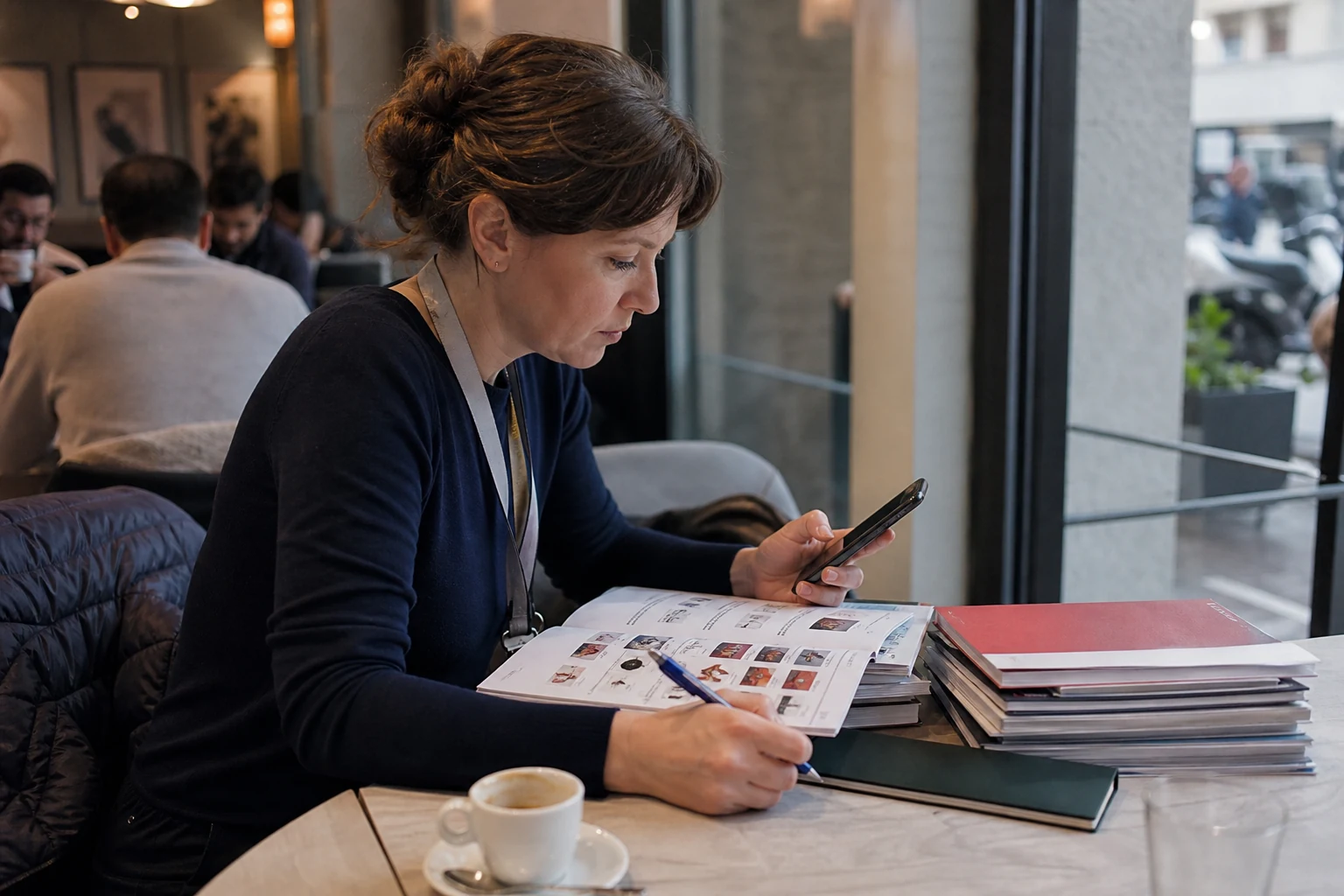
A lean rights operation can use a catalog, outreach list, rights sheets, sample translations, and follow-ups without expensive exhibition costs.
By Eleanor Vale · MAQUINE Editorial Desk
A house editorial byline, not a client identity or external endorsement.
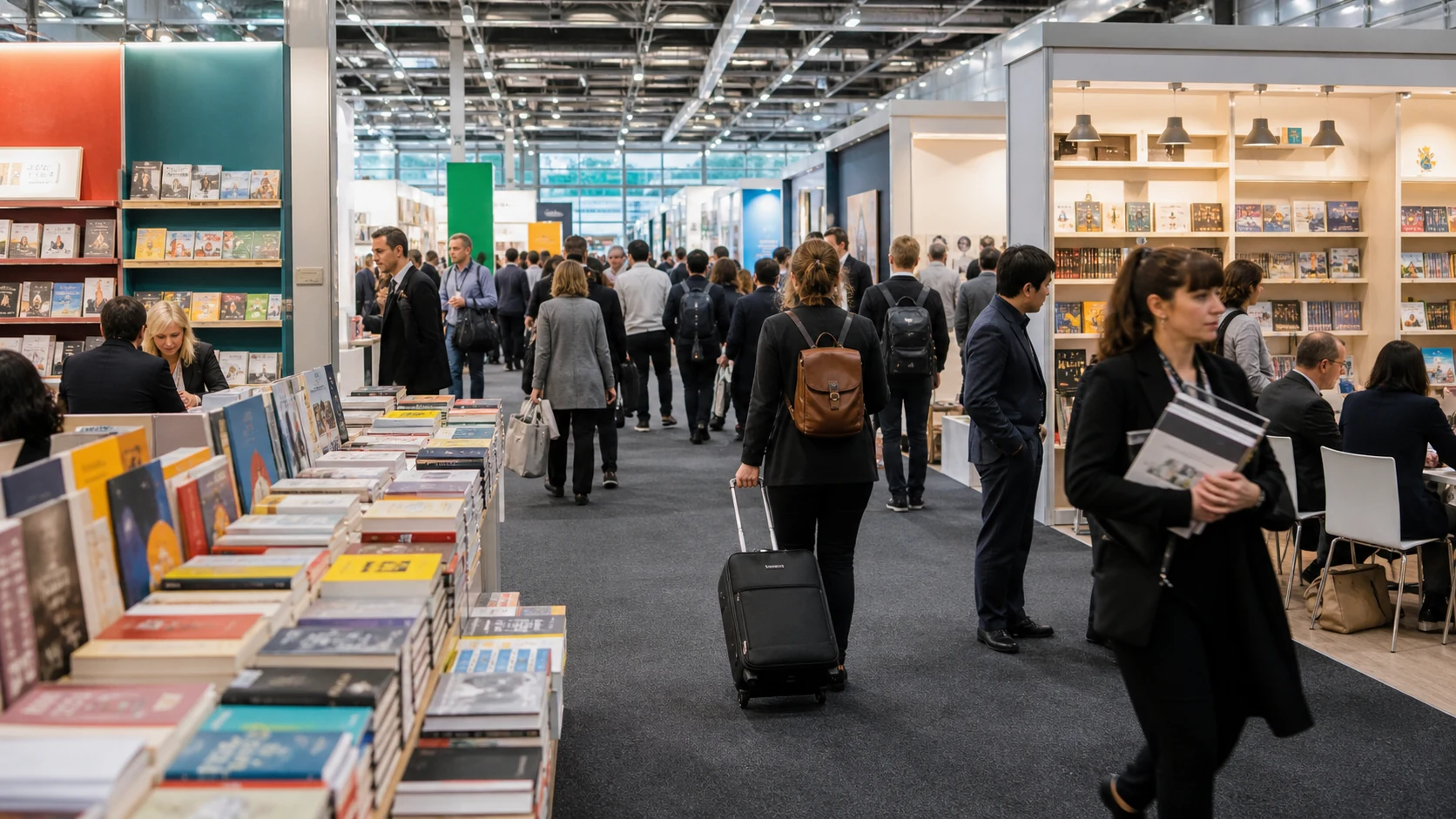
Frankfurt is a rights marketplace, but a booth is not the only way to participate in the market. For many rightsholders, especially independent authors, small publishers, estates, and lean rights teams, the more important question is whether the title materials are ready for professional review. A booth can create visibility, but visibility without a rights sheet, sample, availability note, and follow-up plan can fade quickly. Prepared materials travel farther than a rented counter.
The lean rights kit starts with selection. A rightsholder should not arrive with every book presented as equally urgent. The better move is to choose a short list of titles with the clearest rights position, strongest market argument, and best materials. A focused list helps agents, publishers, scouts, and rights professionals understand where to spend attention. It also helps the rightsholder avoid vague conversations that end with no next step.
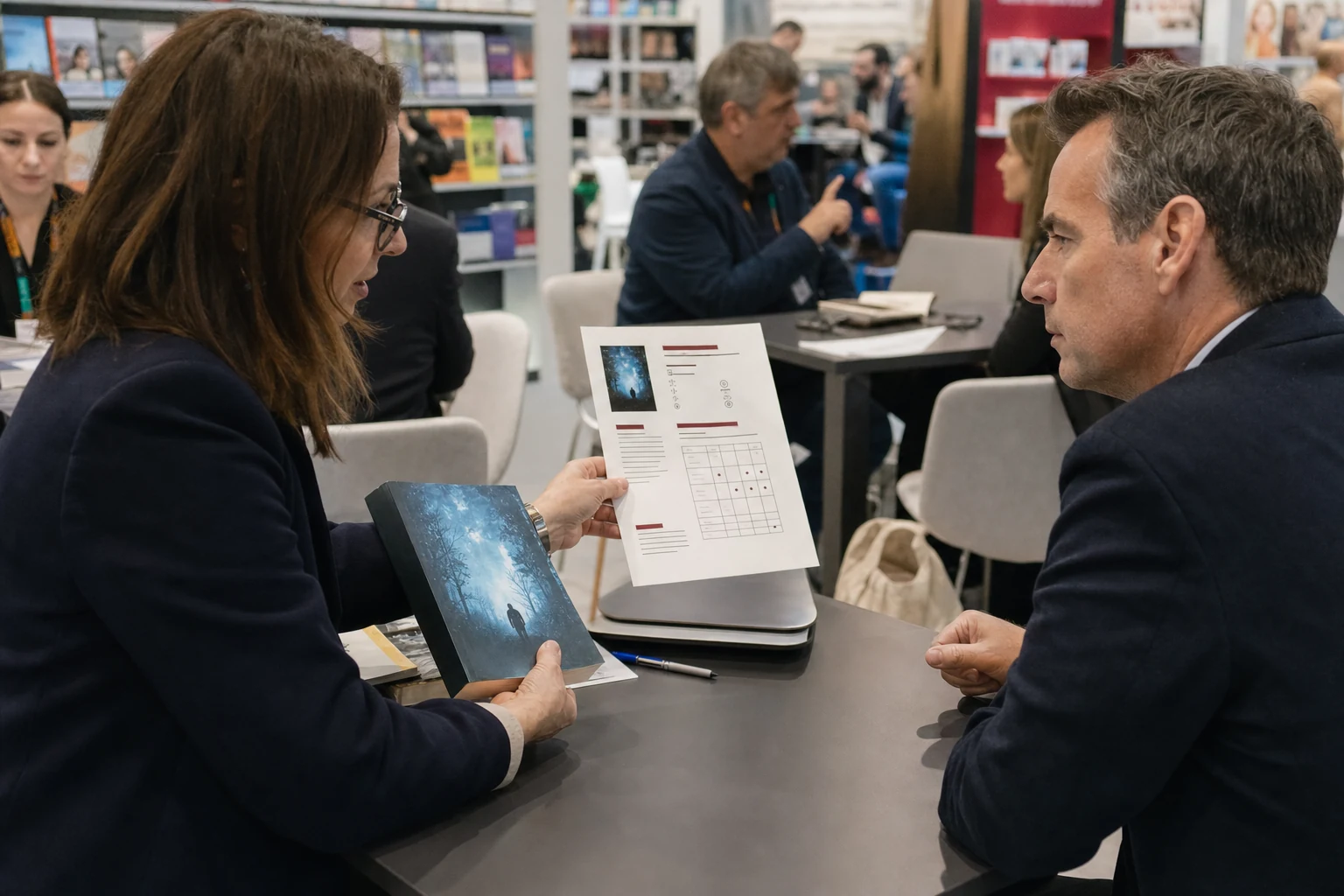
Each priority title should have a rights sheet that answers the basic commercial questions quickly: title, author, category, publication history, rights available, territories open, formats open, sales or review signals, comparable titles, available materials, and contact route. The rights sheet does not need to be overloaded. It needs to be credible. A professional should be able to read it and know whether the title deserves a sample, a meeting, or a polite pass.
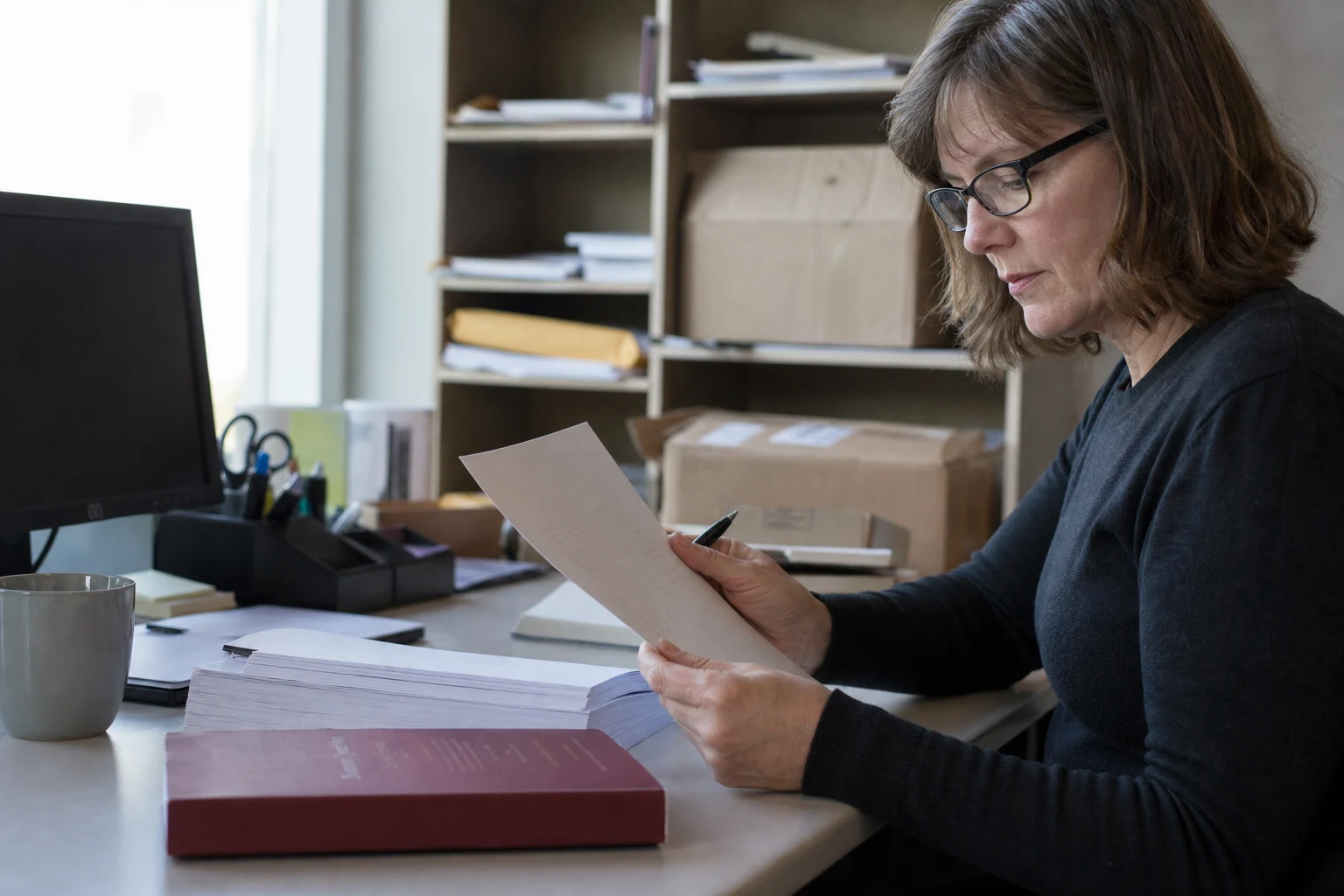
A sample translation can be more persuasive than a long explanation. It shows voice, category, tone, and editorial potential. For fiction, the sample should be chosen carefully: a scene that carries the book promise, not simply the first pages by habit. For nonfiction, the sample should demonstrate argument, usefulness, and market relevance. The sample does not replace a full localization plan, but it gives the conversation texture.
Outreach should be prepared before the fair begins. A rightsholder can identify agents, publishers, editors, scouts, and rights professionals whose lists or markets align with the title. The first message should be concise and specific. Why this title? Why this market? What rights are available? What materials can be sent? A strong outreach note respects the other professional time and makes the next action easy.
Follow-up is where many fair conversations lose energy. After the meeting or email exchange, the rightsholder should send the packet quickly: rights sheet, sample, catalog entry, author context, market note, and a clear proposed next step. A delayed or incomplete follow-up forces the other person to reconstruct the conversation. MAQUINE prepares these packets so that fair interest can become a real evaluation rather than a pleasant memory.
Frankfurt rewards preparation more than spectacle for lean teams. A rightsholder without a booth can still use the season around the fair to sharpen materials, start conversations, and build a rights pipeline. The point is not to imitate a large publisher. It is to arrive with a professional standard: selected titles, clean rights, useful samples, clear positioning, and disciplined follow-up.
The absence of a booth changes logistics, not the need for a plan. Define two or three concrete outcomes before building a calendar: finding publishers for named rights, testing a category in selected territories, meeting service or distribution partners, or reconnecting with existing contacts. A fair becomes unmanageable when every possible conversation is treated as equally valuable.
Build the contact list from fit rather than visibility. Review the territories, categories, formats, and recent publishing activity of each prospect. Record why a particular title belongs in the conversation and what evidence supports the match. A smaller qualified list gives the team time to prepare, attend, and follow up; a long generic list tends to produce hurried messages and weak memory.
Every meeting needs a compact packet that works on a phone and after the fair. Include the rights sheet, short synopsis, author context, publication history, available rights, sample status, and a direct link to controlled materials. Large attachments are risky in transit and easy to lose. A stable packet also ensures that the version sent after the meeting matches what was discussed.
A booth-free schedule should leave room for distance, security queues, and conversations that run over. Confirm the meeting point, mobile contact, expected duration, and primary title in advance. Use official meeting areas, partner stands, rights centers, or quiet locations outside the hall as appropriate. The professionalism of the exchange comes from preparation and relevance, not furniture bearing a logo.
Reserve follow-up time before travel begins. The contact record should capture the question asked, materials requested, concerns raised, next owner, and promised date. Send the tailored response while the context is still fresh, then place a measured reminder. Without that operating window, even excellent fair conversations become anecdotes instead of a rights pipeline.