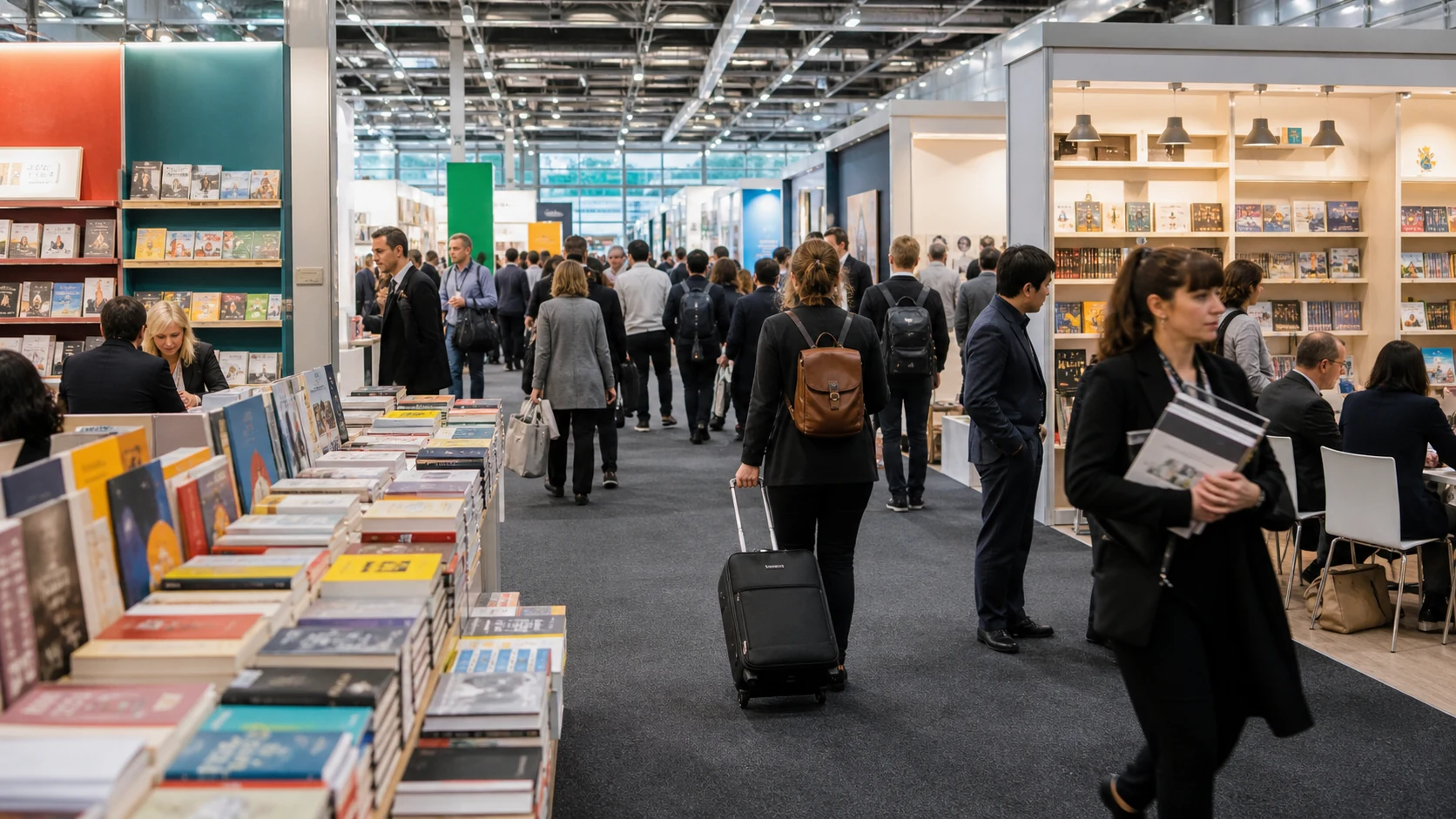
Book Fair Follow-Up Is Where Rights Work Begins
Meetings matter, but the follow-up packet often decides whether a conversation becomes a real opportunity.
By Eleanor Vale · MAQUINE Editorial Desk
A house editorial byline, not a client identity or external endorsement.
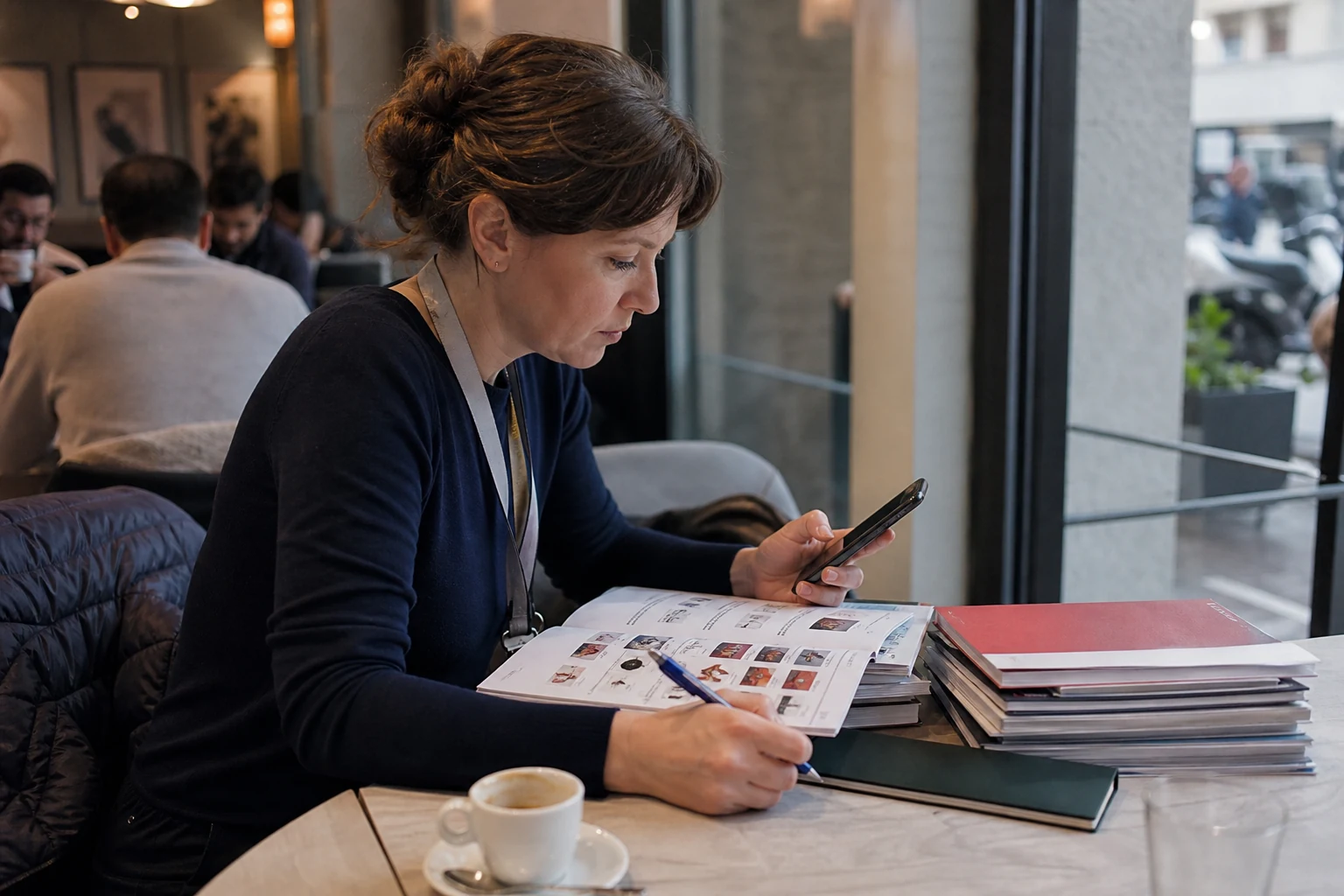
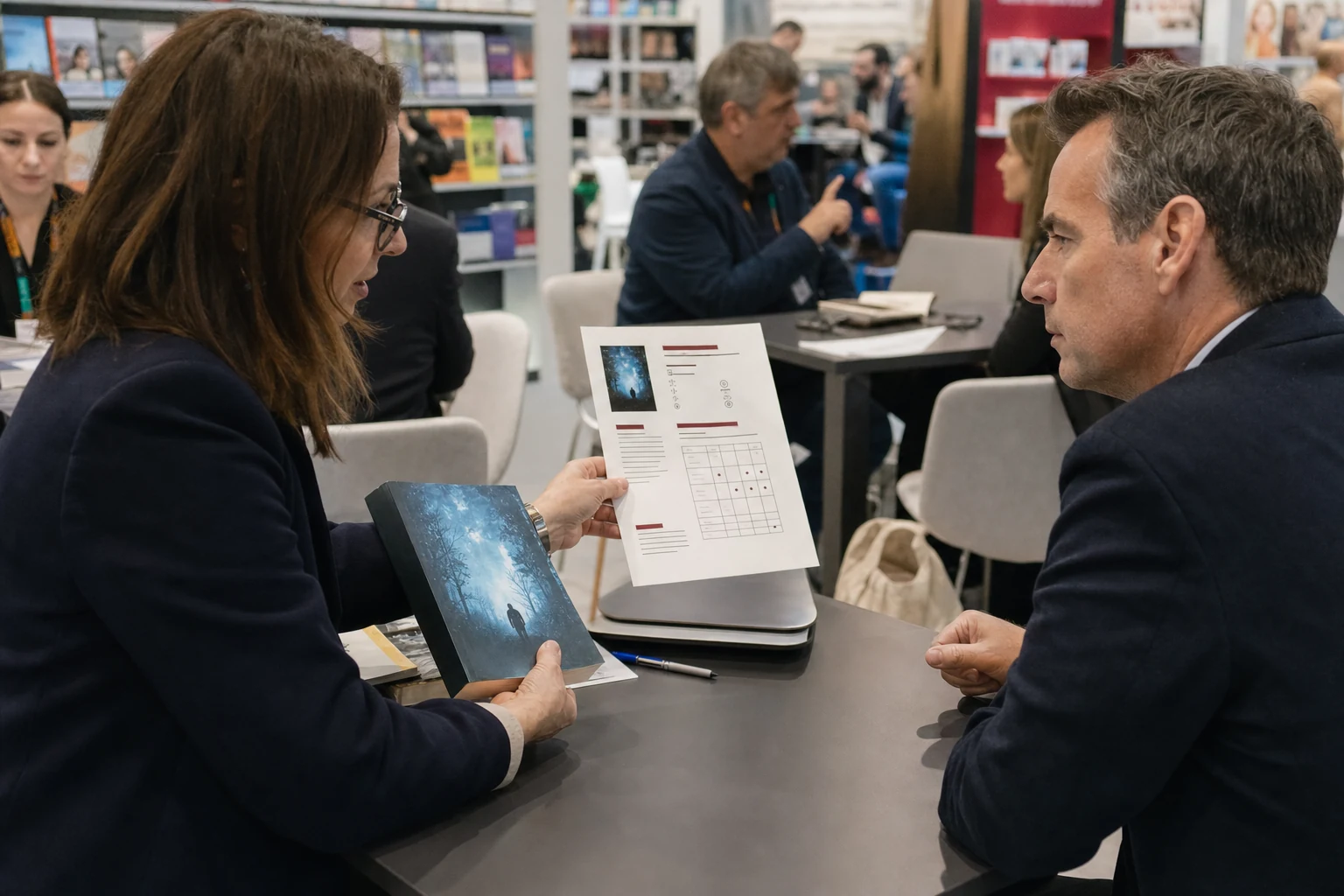
A rights conversation at a fair is often short. A publisher may have fifteen minutes between meetings. An agent may remember the title but not the details. A scout may need to brief someone else later. The real test comes after the conversation, when the partner asks for the rights sheet, sample material, sales context, comparable titles, and clear next steps. Follow-up is not administrative aftercare. It is where the opportunity becomes legible.
A good follow-up packet starts with the promise of the title. What is the book? Who is it for? Why does it travel? What evidence supports the opportunity? The packet should include a concise rights sheet, sample translation or excerpt, title pitch, author context, category notes, market relevance, rights availability, and contact route. The goal is to make the title easy to evaluate without forcing the recipient to reconstruct the meeting from memory.
Timing matters. A follow-up sent weeks later competes with hundreds of other conversations. A follow-up sent quickly, with useful materials and a specific next step, keeps momentum alive. The note should remind the recipient where the conversation began, attach or link the right materials, and name the decision needed: request more pages, schedule a longer call, review availability, consider a sample, or pass. Clarity is more useful than enthusiasm.
The packet should also respect the recipient role. A publisher may want category fit, sample quality, and sales context. A scout may need a concise memo that can be passed internally. An agent may care about rights availability and comparable deals. A translation publisher may need territory and format clarity. A rights manager may need to know whether the rightsholder is authorized to negotiate. One generic email rarely serves all of those uses well.
Sample material can carry the conversation farther than a pitch alone. If the title depends on voice, humor, pacing, or argument, a sample shows the opportunity rather than describing it. For a series, the follow-up may also include a series overview, glossary note, and release structure. For nonfiction, it may include table of contents, author platform, credentials, and market relevance. The best packet anticipates the next professional question.
MAQUINE can prepare these materials before the fair so the follow-up is not improvised under pressure. Rights sheets, sample translations, catalog entries, pitch copy, market notes, and follow-up language can be built into a fair plan. After the fair, MAQUINE can help turn meeting notes into prioritized actions. Which conversations deserve immediate packets? Which need a sample first? Which should be paused? Which require rights clarification before any further outreach?
The goal is not to look busy at a fair. It is to make the next conversation easier to say yes to. A beautiful booth, a good meeting, or a warm introduction can open a door, but professional follow-up keeps it open. Rights work begins when interest becomes a structured decision. That is why MAQUINE treats follow-up materials as part of the rights process, not an afterthought.
The first follow-up should restore context. Name the fair, the title or catalog discussed, the specific question raised, and the material promised. A partner who held dozens of conversations should not need to reconstruct yours. This is also the moment to correct any ambiguous statement made in a rushed meeting before it becomes an assumption about availability or timing.
Tailor the packet to the conversation. Send the rights sheet, sample, synopsis, author information, or market note that answers the expressed interest rather than attaching the entire archive. Use stable links with sensible file names and access settings. A compact response makes internal forwarding easier, which matters because the person you met may not be the final reader or decision-maker.
Cadence should reflect the next action. A requested sample deserves faster delivery than a general catalog review. A partner waiting for an editorial meeting may need a reminder after that date, not every week. Record the promised timing and ask for a realistic next step. Professional persistence is specific and useful; repeated messages without new information are simply noise.
Every response should update the rights memory. Log interest level, territory, language, format, concerns, requested materials, competing priorities, and the date of the next contact. If the answer is no, record the reason where appropriate. Those reasons can reveal packaging problems or market mismatch and prevent another colleague from restarting the same unsuitable approach.
The post-fair review should happen after the first follow-up cycle, not only after travel. Compare meetings booked, qualified conversations, material requests, active evaluations, and closed outcomes. Note which titles drew repeated questions and which assets delayed response. The fair creates concentrated evidence; follow-up turns that evidence into a better catalog and a more disciplined next campaign.