
London Book Fair Meeting Prep for Small Publishers
How a small publisher can arrive with a focused rights list, clean availability notes, and meeting materials that respect professional time.
By Eleanor Vale · MAQUINE Editorial Desk
A house editorial byline, not a client identity or external endorsement.
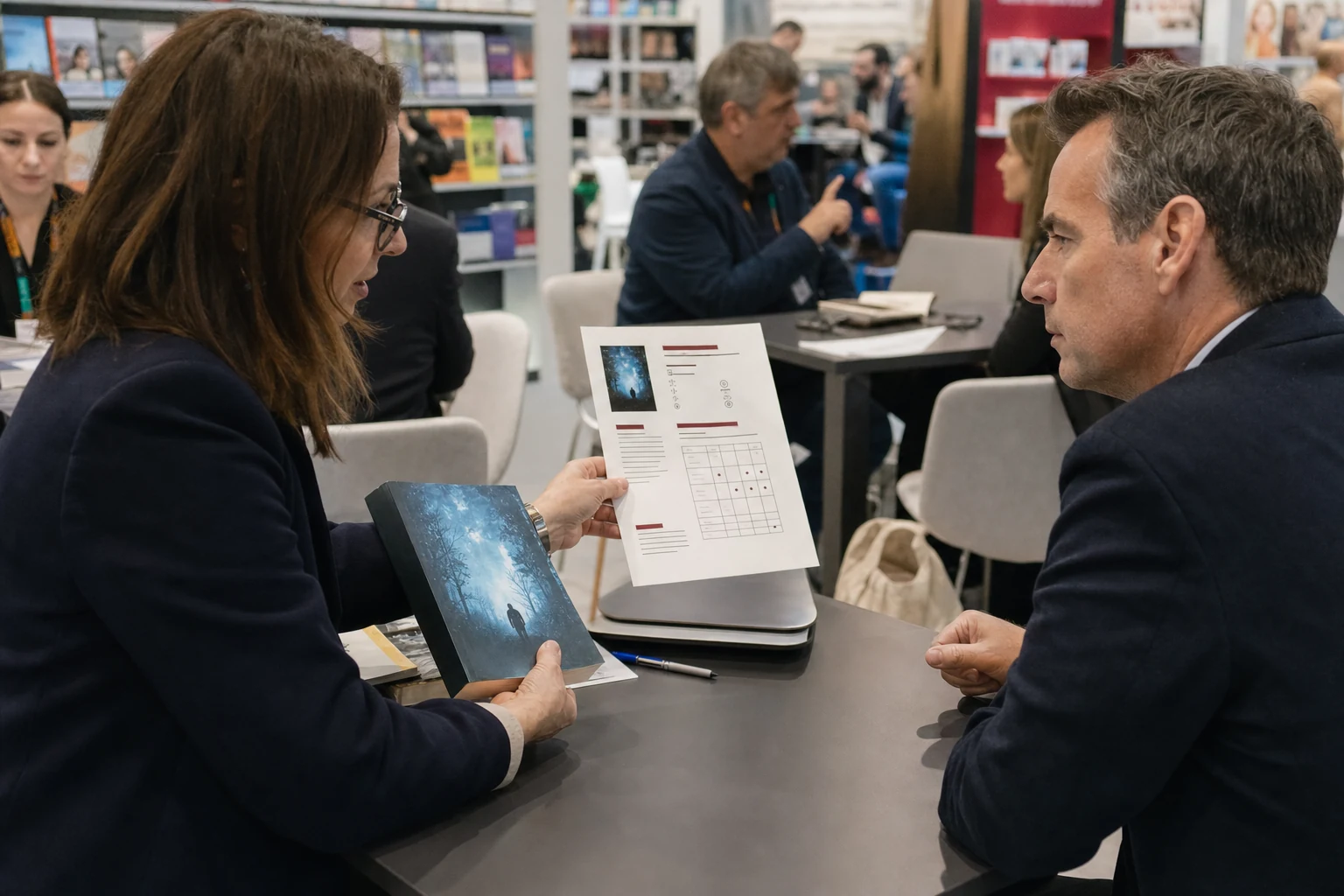
London Book Fair rewards clarity. A small publisher does not need to behave like a multinational house to use the fair season well. It needs a focused list, clear rights availability, prepared meeting notes, and follow-up materials that can move quickly after a conversation. The mistake is arriving with a large catalog and no prioritization. A smaller list with stronger materials is usually more useful than a broad list that asks every partner to do the sorting work.
The first step is choosing titles for a rights list. The publisher should look for evidence: sales, reviews, awards, series potential, category fit, author platform, classroom adoption, press, community relevance, or backlist durability. A book can be important to the publisher and still not be the right first title for international outreach. Selection is not a judgment of literary value. It is a publishing decision about readiness.
The second step is availability. A meeting is less useful if the publisher cannot say which languages, territories, and formats are open. Even a short rights list should include language status, territory notes, print, ebook, audio, serial, adaptation, and any existing restrictions. If a title has prior foreign editions, those should be visible. If rights are unclear, the publisher should resolve them before using the title as a meeting anchor.
The third step is materials. A meeting packet can include a rights sheet, title summary, sample pages, author bio, sales context, review lines, comparable titles, and market notes. If the publisher is testing a specific language, a sample translation can help. If the title is nonfiction, table of contents and author authority may matter. If it is fiction, voice and category promise need to be visible. The packet should be concise enough to travel after the meeting.
Meeting strategy should be realistic. A small publisher may have fewer meetings, but each can be better prepared. The publisher should know why each contact is relevant, which title fits the contact list, and what next step would be useful. A meeting should not end with vague mutual interest. It should end with a packet, a sample request, a follow-up call, a decision deadline, or a clear pass.
After the fair, the publisher needs a follow-up system. Notes should be captured quickly. Materials should be sent with context. Promising conversations should be prioritized. Dead conversations should not consume energy. MAQUINE can support this by preparing title packets, outreach language, and post-fair tracking so that fair activity turns into a manageable rights pipeline.
For a small publisher, the fair is less about spectacle than professionalism. Clean materials, selected titles, and disciplined follow-up can make a modest rights operation look serious. The right partner does not need the publisher to be large. They need the opportunity to be understandable, available, and worth evaluating.
A small publisher should arrive with a clear rights objective for each selected title. One may need translation partners, another audiobook interest, and another market feedback before investment. Combining every possible right into the same pitch makes the meeting vague. The objective determines the contact list, packet, questions, and internal person who can approve the next step.
Contact qualification should examine list fit, territory, format, acquisition history, and current program, not only company size. Record one reason the prospect may care and one question that could disqualify the opportunity. This preparation helps a short meeting become a useful exchange instead of a long recitation of catalog copy.
Design a compact agenda: confirm the other party role, state the relevant title promise, verify availability, explain the evidence, ask about fit and process, then agree on a next action. Leave room for the partner to talk. A fair meeting is often most valuable when it reveals how the prospect evaluates projects and what materials their colleagues need afterward.
The meeting file should work offline and on small screens. Keep a rights sheet, short catalog, sample, schedule, and contact details in a clearly named folder, with backed-up access. Staff should know which facts can be stated confidently and which require later confirmation. It is better to promise a checked answer than improvise a rights position across a noisy table.
Before the fair, block time for daily notes and the first follow-up. Assign an owner to every meeting and define how records will be shared. Afterward, separate active opportunities from longer-term contacts and general learning. A small publisher gains leverage when every conversation improves its institutional memory, even when the immediate result is not a deal.